
adoption Counselling
A generous heart is always open, always ready to receive our going and coming. In the midst of such love we need never feel adandonment – souce unknown
Adoption Counselling in Ireland
Understanding the Lasting Impact of Adoption
Ireland’s history of adoption has left a profound emotional legacy for many birth mothers, adoptees, and families. For decades, adoption practices were shaped by secrecy, stigma, and societal attitudes that often prioritised concealment over the emotional wellbeing of those involved.
Whether you are an adoptee seeking answers about your relationship patterns and identity, a birth mother carrying unresolved grief, or a family member affected by adoption-related trauma, counselling can provide a safe and supportive space to explore your experiences and begin the healing process.
The History of Adoption in Ireland
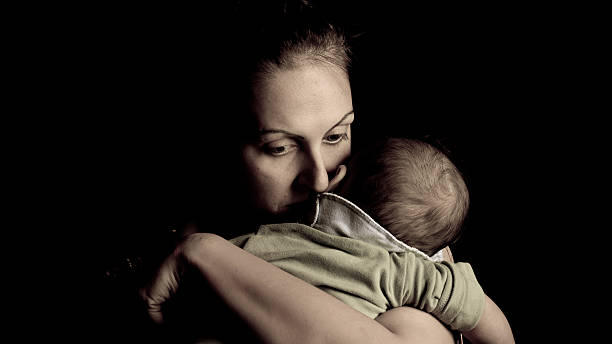
From the 1920s until the late 1990s, unmarried pregnancy in Ireland was heavily stigmatised. Many women were sent away from their families often to Mother and Baby Homes, where they often experienced shame, isolation, and significant emotional distress.
The introduction of the Adoption Act 1952 formalised legal adoption in Ireland. However, adoption practices during this period frequently involved secrecy and the permanent separation of mothers and children. Many women felt they had little choice in relinquishing their babies, while adoptees often grew up without access to information about their origins.
The impact of these experiences continues to be felt across generations.
The Psychological Impact on Birth Mothers
For many birth mothers, adoption involved a profound and often unacknowledged loss.
Common experiences include:
- Persistent grief and feelings of loss
- Shame and self-blame
- Anxiety and depression
- Emotional suppression and dissociation
- Difficulties with relationships and trust
- Feelings of powerlessness and unresolved trauma
Many women were expected to continue with their lives without discussing their experiences. This often resulted in what is known as disenfranchised grief – grief that is not openly recognised, validated, or supported by society.
Counselling can provide a compassionate space to process these experiences, make sense of complex emotions, and work towards healing and self-compassion.
The Psychological Impact on Adoptees
Adoption can have a significant impact on identity, attachment, and belonging.
Many adoptees describe experiences such as:
- Questions about identity and self-worth
- Feelings of rootlessness or disconnection
- Fear of rejection or abandonment
- Difficulties with attachment and relationships
- Anxiety, depression, or low self-esteem
- Challenges relating to reunion, search, and family connections
For some adoptees, discovering information about their adoption later in life can trigger feelings of confusion, grief, anger, or a renewed search for belonging.
These responses are understandable and can be explored safely within a therapeutic relationship.
Adoption Trauma and Attachment Wounds
The separation of a child from their birth mother, particularly in the earliest stages of life, can have lasting effects on the nervous system and attachment patterns.
Adoption-related trauma may present as:
- Hypervigilance or chronic anxiety
- Emotional dysregulation
- Difficulties trusting others
- Fear of abandonment
- Relationship challenges
- Persistent feelings of not fully belonging
While every adoption story is unique, many adoptees and birth mothers carry emotional wounds that deserve understanding, validation, and specialist support.
How Adoption Counselling Can Help
At Scully Counselling, I offer a trauma-informed approach that recognises the unique experiences of adoptees, birth mothers, and those affected by Ireland’s adoption history.
Therapy can help you:
- Explore the emotional impact of adoption
- Process grief, loss, and unresolved trauma
- Understand attachment patterns and relationship difficulties
- Develop a stronger sense of identity and self-understanding
- Address feelings of shame, guilt, or rejection
- Navigate reunion, family searches, and complex family dynamics
- Build resilience and emotional wellbeing
Deep Brain Reorienting (DBR) for Adoption Trauma
As part of my therapeutic approach, I offer Deep Brain Reorienting (DBR), a specialised trauma treatment designed to work with the deeper neurological impacts of trauma.
DBR can be particularly helpful for individuals experiencing attachment trauma, early separation trauma, and long-standing emotional responses linked to adoption experiences. By working with the body’s natural trauma responses, DBR aims to reduce distress and support lasting emotional healing.
Adoption Counselling in Ireland
You do not need to carry the emotional impact of adoption alone. Many people who are adopted are often left feeling that nobody else can understand their experience. I have both personal experience in the area of adoption and a therapeutic understanding of the many psychological processes at play. Therefore, I feel I’m the right person to help you make sense of your experiences.
Whether you are an adoptee seeking greater understanding of your story, a birth mother processing loss and grief, adoptive parents or someone navigating the complexities of reunion and identity, counselling can offer a supportive path forward.
If you would like to learn more about adoption counselling or arrange an appointment, please get in touch.
Testimonials
“About a year ago, I found myself in a situation which appeared like a badly designed crossword – none of the answers seemed to fit. The more I wanted to find a solution, the more problems arose. My frustration grew, every day was a struggle and I felt overwhelmed by thoughts of the past and future. The initial decision to seek counselling was not difficult, but the anxiety of having to open up to a complete stranger stayed with me for a while. Looking back, I realise how the safe space and gentle guidance slowly helped to calm my mind and accept what was outside my control. I can’t say enough about how patient and the caring Eimear was. Counselling felt like one of the only supports open to me at the time”.
* Names have been changed to protect client confidentiality.
Maria – age 45, Dublin 22