
ONLINE Trauma Based THERAPY
Deep Brain Reorientating – DBR
DBR is a neuroscience based trauma therapy that works to process traumatic experience. DBR targets the sequence of events that occurred in the brainstem at the time of the initial shock during a traumatic event and which persists when triggered.
What types of trauma does DBR help with?
DBR can help process many types of trauma. I have a particular interest in childhood and attachment trauma and have many years of experience working in this area. DBR can also help with PTSD and other one off traumas experienced as an adult.
What happens in a typical session?
We begin identifying a trauma trigger or activating stimulus. This will usually be a recent event or a memory that feels charged. You will then be taken through a guided practice know as the ‘where self’ which will gently being to awaken the part of the brain that processes trauma and shock. You will then be guided to notice an orienting tension for example in the muscles of the forehead, around the eyes or at the back of the neck. From there will continue to observe patterns of shock and trauma as physical sensations within the body. At then end of each session we will pause to see of a new perspective is emerging. A client often feels a sense of physical and emotional relief.
How effective is DBR?
A randomized controlled trial of DBR published in August 2023 showed promising results. In the study, 29 people with post-traumatic stress disorder (PTSD) underwent DBR therapy, and PTSD symptoms in patients improved by 36.6 percent at the end of eight sessions and continued improving to 48.6 percent at a three-month follow-up. At the end of the eight sessions, 48 percent of patients no longer met the criteria for PTSD, and at a three-month follow-up, 52 percent of patients no longer met the criteria for PTSD. DBR treatment can even be administered virtually, as was done in this study, which increases the accessibility of the treatment..
other Common areas of focus
The following are the areas I would often work with in my practice, however it is not an exhaustive list. I can usually work with an area in your life that is causing you difficulty. If you’re in doubt, please get in touch.
- Anxiety
- Stress
- Self-esteem
- Anger
- Depression
- Suicide
- Self-harm
- Trauma
- Abuse
- Grief
- Loss
- Sexuality
- Identify
- Trauma
- Relationship difficulties
- Family issues
- Workplace stress / conflicts
- Bullying

So why choose me?
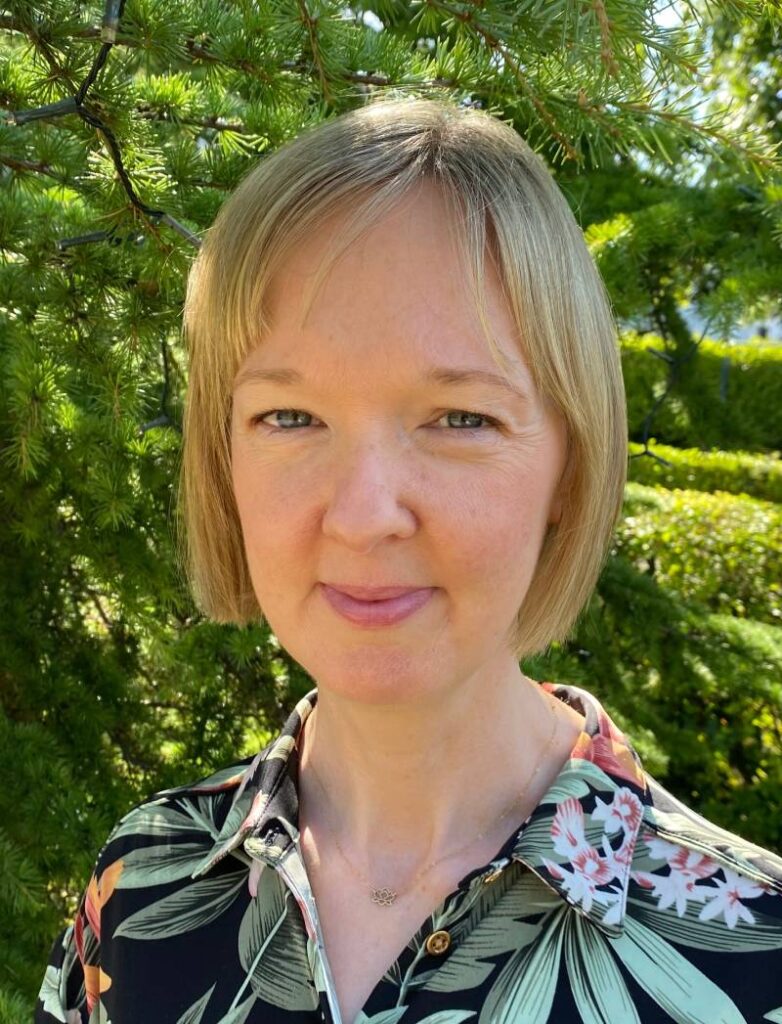
Choosing a counsellor is an important decision, as the quality of the relationship you have with your therapist is a key factor in determining how successful your therapy will be. I place great emphasis on building a compassionate and trusting relationship where you can be free to be open and honest. As well as that …
I’m passionate about what I do. I believe that the work I do makes a real difference to people’s lives. I feel both fortunate and privileged to work within the area of counselling and psychotherapy. I work hard to give my clients the best possible service by undergoing constant personal development, peer supervision and remaining up to date with what’s happening in my field.
I’m qualified for the job. I’ve completed a four-year training including a Certificate in Counselling Skills through NUI Maynooth and a Graduate Diploma in Integrative Counselling and Psychotherapy at Turning Point Training Institute in conjunction with DCU. This course is recognised by the Irish Association of Counselling and Psychotherapy (IACP), the Irish Association of Humanistic and Integrative Psychotherapy (IAHIP) and the European Association for Psychotherapy (EAP). I’ve also completed my level three training in DBR.
My additional qualifications include an MA in Town and Country Planning and a BA in Geography and Anthropology. I’m a fully accredited member of the IACP.
I’m experienced. I’ve been working in private practice in counselling and psychotherapy for the last twenty years where I have seen a diverse range of clients and presenting issues. Additionally, I’ve worked in the voluntary and public sector for more than 15 years, giving me a broad range of experience and perspectives.
Testimonials
“About a year ago, I found myself in a situation which appeared like a badly designed crossword – none of the answers seemed to fit. The more I wanted to find a solution, the more problems arose. My frustration grew, every day was a struggle and I felt overwhelmed by thoughts of the past and future. The initial decision to seek counselling was not difficult, but the anxiety of having to open up to a complete stranger stayed with me for a while. Looking back, I realise how the safe space and gentle guidance slowly helped to calm my mind and accept what was outside my control. I can’t say enough about how patient and the caring Eimear was. Counselling felt like one of the only supports open to me at the time”.
* Names have been changed to protect client confidentiality.
Maria – age 45, Dublin 22